
If you’ve been researching ways to help your baby sleep longer at night, you’ve probably come across the term dream feed. Many parents hear about it from sleep experts, parenting blogs, or other families who swear it helped their baby sleep through the night.
But what is a dream feed, and does it actually work?
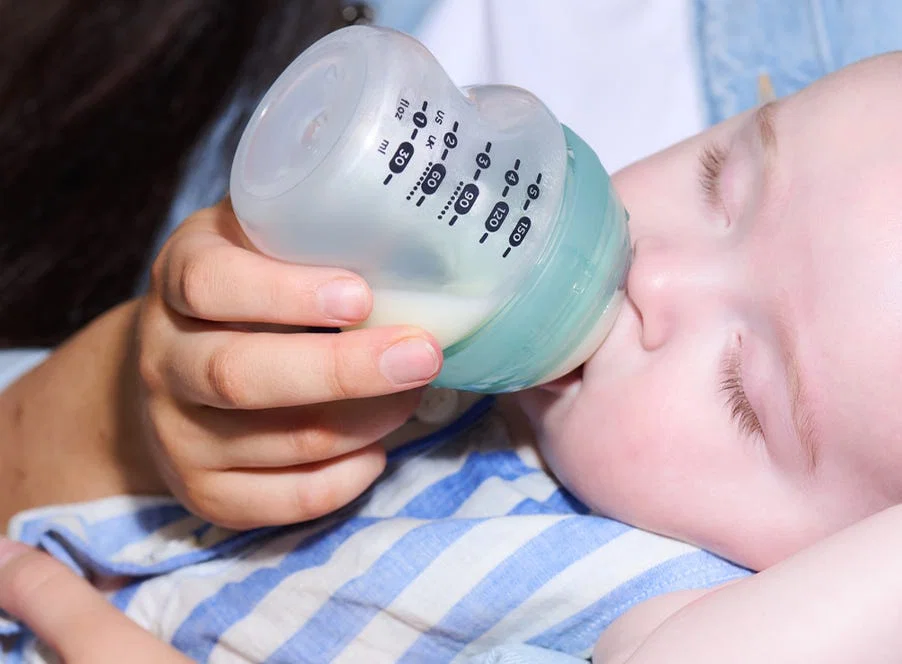
A dream feed is a feeding given to a sleeping baby, usually late in the evening, before the parents go to bed. The idea is to gently feed your baby without fully waking them so they stay full longer and may sleep for a longer stretch during the night.
For many families, dream feeding becomes part of a nightly routine that helps both babies and parents get more rest.
What Is a Dream Feed?
A dream feed is when you feed your baby while they are still mostly asleep, typically between 10:00 PM and midnight. Instead of waiting for your baby to wake up hungry in the middle of the night, you offer a feeding before you go to bed.
The goal is simple: give your baby enough milk to stay satisfied for a longer period of sleep.
During a dream feed, parents usually:
- pick up the baby carefully without fully waking them
- offer breast milk or a bottle
- keep the lights dim and the environment calm
- place the baby back to sleep afterward
This method works best when babies remain sleepy during the feeding and drift back to sleep easily.
What Is Dream Feeding in Infants?
Dream feeding infants is a technique often recommended for babies between a few weeks old and around 6 months of age. At this stage, babies still need nighttime calories but may also be capable of longer sleep stretches.
Instead of waking up crying from hunger at 2 or 3 AM, the dream feed helps fill their stomach earlier in the night.
Many parents use dream feeding as part of a gentle sleep routine because it may help:
- extend the baby’s first stretch of nighttime sleep
- reduce middle-of-the-night wakeups
- create a predictable bedtime rhythm
However, every baby is different. Some babies respond well to dream feeding, while others may wake up fully or show little change in sleep patterns.

What Is a Dream Feed for a Baby or Newborn?
A dream feed for a baby or newborn works the same way but may be used slightly differently depending on age.
For newborns, frequent feeding is still necessary because their stomachs are small and they digest milk quickly. A dream feed may simply be one of several nighttime feedings.
As babies grow older, the dream feed can sometimes replace one of the middle-of-the-night wakeups.
For example, a typical evening routine might look like this:
- 7:00 PM – bedtime feeding
- 7:30 PM – baby goes to sleep
- 10:30 PM – dream feed
- baby sleeps for a longer stretch overnight
Some parents find that this schedule helps their baby sleep until early morning instead of waking multiple times.
Benefits of Dream Feeding
While dream feeding doesn’t work for every baby, many families report positive results.
Some possible benefits include:
- longer stretches of nighttime sleep
- fewer overnight wakeups
- better alignment with parents’ bedtime
- a more predictable sleep routine
For exhausted parents, even one extra hour of uninterrupted sleep can make a big difference.
Does Dream Feeding Work for Every Baby?
Not always. Some babies feed easily while half-asleep, but others may wake fully or refuse to eat.
If your baby wakes up during the dream feed, it doesn’t necessarily mean the method won’t work. Sometimes it simply takes practice to learn how gently to pick up and feed them without fully waking them.
In other cases, babies naturally outgrow the need for late-night feedings as their sleep patterns mature.
Is Dream Feeding Safe?
Dream feeding is generally considered safe as long as parents follow normal feeding and safe sleep guidelines.
Experts usually recommend:
- holding the baby during feeding
- keeping the baby slightly upright
- placing the baby back on their back to sleep
- avoiding feeding while the baby is lying flat
If you’re unsure whether dream feeding is appropriate for your baby, your pediatrician can help you decide based on your baby’s age, weight, and feeding needs.
Should You Try Dream Feeding?
If your baby often wakes up shortly after you fall asleep, a dream feed may be worth trying. Many parents find that it helps shift their baby’s longest sleep stretch to later in the night.
However, it’s important to remember that baby sleep patterns vary widely. What works perfectly for one family might not work for another.
The best approach is to experiment gently and see how your baby responds.
Final Thoughts
So, what is a dream feed? Simply put, it’s a late-evening feeding given to a sleeping baby in hopes of extending their nighttime sleep.
For some families, dream feeding becomes a helpful part of a bedtime routine that leads to longer sleep stretches and fewer overnight wakeups.
For others, babies may naturally wake for feedings regardless of the timing.
Either way, understanding techniques like dream feeding can help parents find sleep routines that work best for their baby and their family.

Ordinary Parent is a parenting blog dedicated to sharing practical advice, real-life experiences, and helpful tips for modern moms and dads. The goal of this platform is to make everyday parenting easier by providing simple solutions, organization strategies, and honest insights into family life.