Many parents hear about dream feeding when searching for ways to help their baby sleep longer at night. But a common question quickly follows: does dream feeding work?
Dream feeding can be helpful for some babies, especially during the early months when nighttime feedings are still necessary. By feeding a baby late in the evening before the parents go to sleep, some families find their baby sleeps longer before waking again.
If you’re new to the concept, our guide on
what is a dream feed explains how this technique works and why parents try it.
Does Dream Feeding Help Babies Sleep Longer?
For many families, dream feeding can help babies sleep longer during the first part of the night. Because the baby receives an extra feeding before midnight, their stomach stays full longer and they may sleep for several hours before waking again.
For example, without a dream feed, a baby who goes to sleep at 7:30 PM might wake around 1 AM. With a dream feed at 10:30 PM, the baby may sleep until 3 or 4 AM instead.
However, every baby is different. Some babies respond very well to dream feeding, while others show little change in their sleep patterns.

Dream Feeding Benefits
While dream feeding doesn’t work for every family, many parents report several benefits.
- longer stretches of nighttime sleep
- fewer overnight wakeups
- better alignment with parents’ bedtime
- a more predictable evening routine
For parents adjusting to life with a newborn, even one extra hour of uninterrupted sleep can make a big difference.
When Dream Feeding Works Best
Dream feeding tends to work best during the early months when babies still need nighttime calories but are starting to develop longer sleep stretches.
Many families begin experimenting with dream feeding when their baby is around 6 to 8 weeks old.
If you’re unsure how to perform the feeding itself, our step-by-step guide on
how to dream feed a baby explains the process in detail.
Why Dream Feeding Doesn’t Work for Some Babies
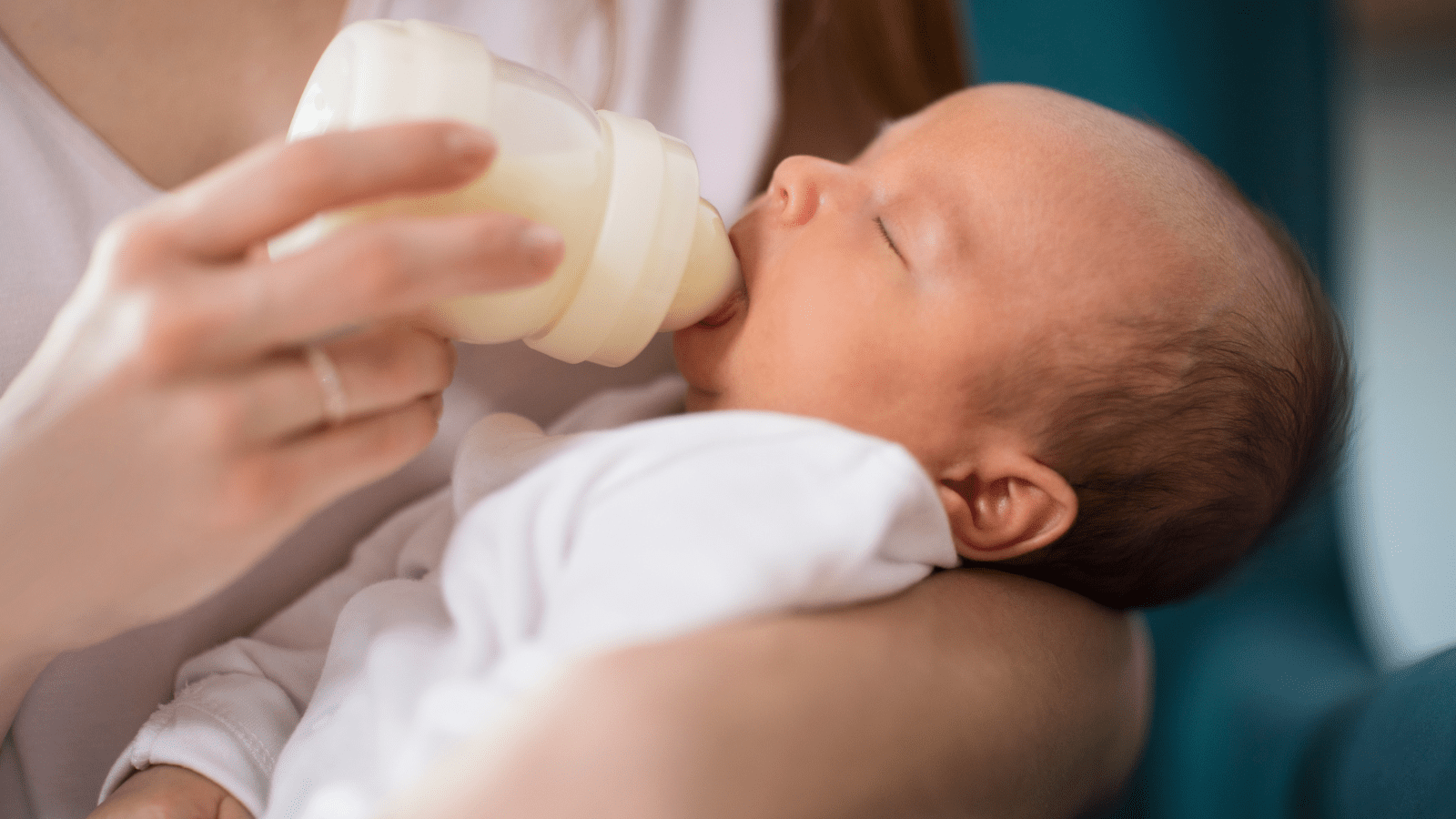
Not every baby responds well to dream feeding. Some babies wake fully during the feeding and have difficulty falling back asleep.
Others may simply wake at their usual times regardless of when they were last fed.
This is completely normal. Baby sleep patterns vary widely, and what works well for one baby may not work for another.
When Dream Feeding May Stop Helping
As babies grow older, their need for nighttime calories gradually decreases.
Many babies begin sleeping longer stretches naturally and may no longer benefit from a late-night feeding.
Most babies are ready to drop the dream feed somewhere between 4 and 6 months old. If you’re wondering when the right time might be, our guide on
when to stop dream feeding explains the common signs.
Common Questions About Dream Feeding
Does dream feeding replace night feedings?
Not always. Newborns usually still need at least one feeding during the night even if a dream feed is used.
Can dream feeding make sleep worse?
In some cases it can. If a baby wakes fully during the feeding, it may interrupt their natural sleep cycle.
Do all babies respond to dream feeding?
No. Some babies benefit from it, while others naturally sleep better without it.
Final Thoughts
So, does dream feeding work? For many families, it can help extend a baby’s first stretch of nighttime sleep and reduce early wakeups.
However, every baby is different, and dream feeding is simply one technique parents can try while establishing a sleep routine.
Paying attention to your baby’s sleep patterns and adjusting routines gradually will help you find what works best for your family.

Ordinary Parent is a parenting blog dedicated to sharing practical advice, real-life experiences, and helpful tips for modern moms and dads. The goal of this platform is to make everyday parenting easier by providing simple solutions, organization strategies, and honest insights into family life.