
As a teacher for six years, I’ve seen firsthand how important it is for students to keep learning during the summer.
I know many parents want their kids to just enjoy summer—swim in the pool, run around outside, play video games, and relax after a long school year. And honestly, kids should enjoy summer.
But from a teacher’s perspective, I’m also asking parents to help keep their kids’ brains active.
Every year I have students who drop an entire grade level over the summer. Sometimes even more. Then a big portion of the school year is spent just trying to get them back to where they were before summer break.
So if you want to give your child a huge advantage next school year, here are five simple summer tips from a teacher that can make a big difference.
1. Read Every Day
Reading is easily the most important habit you can keep going during the summer.
Read to your child, have them read to you, or let them read independently depending on their age and ability. Even 15 minutes a day can make a big difference.
Reading regularly helps maintain vocabulary, comprehension, and imagination.
If you’re looking for more reasons reading is so powerful, check out 7 Benefits of Reading to Your Children.

2. Practice Math a Few Times Each Week

Math skills can fade surprisingly quickly over the summer.
Depending on your child’s age, you could practice:
Addition and subtraction facts
Multiplication tables
Simple fractions
Word problems
Even just a few problems a couple times a week keeps those math muscles working.
There are also great summer workbooks designed specifically to make practice feel more like a game than homework.
3. Turn Everyday Activities into Learning Moments
One of the easiest ways to keep kids learning is by turning normal daily activities into learning opportunities.
For example, take them to the grocery store and talk about:
How much things cost
Comparing prices between brands
Counting money and coins
Staying within a budget
Cooking and baking are also fantastic learning opportunities. Kids can practice measuring, counting, and even basic science concepts while helping in the kitchen.
4. Take Summer Adventures
Some of the best learning doesn’t happen at a desk.
Take your kids on adventures during the summer:
Visit parks or nature trails
Explore local museums
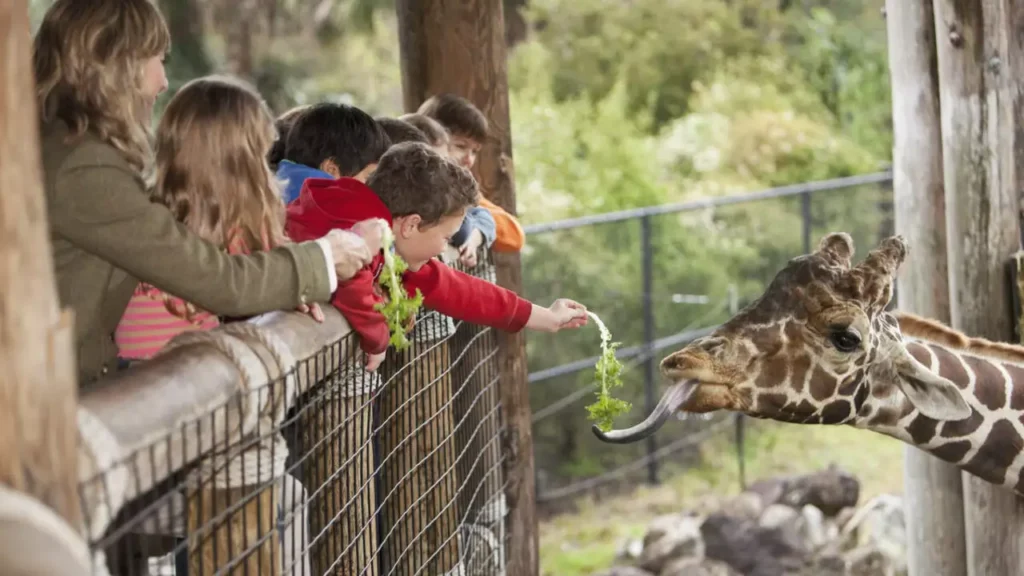
Go to the zoo
Take small road trips
Kids can learn about animals, plants, geography, and history simply by exploring the world around them.
And honestly, those experiences often become the memories they remember the most.
5. Kids Are Never Too Young to Learn
I was at a yard sale recently with my mom when she bought some lemonade from a little girl.
The lemonade cost 25 cents, and my mom paid 30 cents and told the girl she didn’t need change. My mom mentioned to the grandmother standing nearby that it would be a great learning opportunity to talk about money.
The grandmother replied, “Oh, she’s too young to learn that. She’s just going into kindergarten.”
But the truth is, kids are almost never too young to start learning.
No, you don’t need to teach a baby about money or budgeting. But young children absorb information quickly. The earlier they are exposed to concepts like numbers, reading, and problem solving, the more comfortable those skills become later.
Even our one-year-old started learning about coins simply because she saw them and was curious.
Keep the Brain Active All Summer
Whether your child is heading into kindergarten, middle school, or even high school, try to encourage at least a little learning throughout the summer.
It doesn’t have to feel like school. In fact, it shouldn’t.
Reading a book, baking together, exploring outside, or solving a few math problems here and there can go a long way toward preventing the dreaded summer learning slump.
And trust me—your child’s teacher next fall will definitely appreciate it.