Sending your child to kindergarten is a big milestone — for them and for you. Many parents wonder: what should my kid know before kindergarten? While every child is unique, there are key skills and knowledge areas that help children succeed and feel confident on their first day.
Social Skills Are Just as Important as Academics
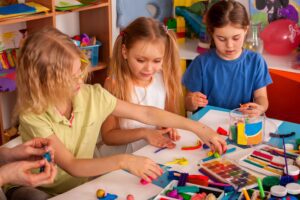
Before kindergarten, your child should know how to:
Greet teachers and classmates politely
Take turns and share toys
Express feelings with words instead of actions
Follow simple instructions
Social skills set the foundation for learning. Kids who can communicate and cooperate are more likely to enjoy school and build friendships.
💡 Tip: Bedtime routines can also support social readiness. Kids who have a predictable schedule and enough sleep are calmer, more focused, and better able to manage classroom interactions. If you want tips on establishing routines, check out our post on what time should my kids go to bed.
Basic Language and Literacy Skills
Kindergarten introduces reading and writing, but children who know some basics before starting have an easier time:
Recognize letters of the alphabet
Know the sounds letters make
Identify simple sight words like mom, dad, stop, go
Draw and label simple pictures
Reading together daily builds these skills and also strengthens parent-child bonding. For more benefits of reading with your kids, see our article on 7 benefits of reading to your children.
Early Math and Problem-Solving Skills
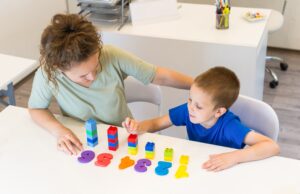
Kindergarten often begins with counting, sorting, and simple addition or subtraction. Before starting, your child should be able to:
Count to 20 confidently
Recognize numbers 1–10
Sort objects by size, shape, or color
Understand basic concepts like “more,” “less,” or “equal”
Games, puzzles, and everyday activities like setting the table or sorting laundry can strengthen these skills in a fun way.
Self-Care and Independence

Children entering kindergarten should have some independence in their daily routines:
Wash hands without reminders
Use the toilet independently
Put on shoes and coat
Pack and unpack backpacks
Encouraging independence not only helps teachers but also boosts your child’s confidence. Being able to handle small responsibilities prepares them for the structure of a classroom.
Emotional Readiness

Kindergarten can feel overwhelming. Teaching your child to:
Take deep breaths when upset
Ask for help when needed
Handle transitions between activities
Recognize and respect others’ feelings
…will help them navigate the new environment. Emotional skills are just as critical as letters and numbers.
Curiosity and Love of Learning

Finally, encourage your child to be curious. Answer their questions, explore the world together, and model enthusiasm for learning. Children who are excited about discovering new things tend to adapt better and enjoy their early school experience.
In Summary
So, what should my kid know before kindergarten?
A mix of social, academic, and self-care skills — along with emotional readiness — sets the stage for success. Support your child with consistent routines, engaging learning activities, and plenty of encouragement. And remember, each child develops at their own pace. With patience and guidance, your child will be ready for their big day.
💡 Pro Tip: Parents who want to build strong routines for sleep, reading, and early learning may also benefit from checking out our related posts: