
Many new parents discover dream feeding when they start looking for ways to help their baby sleep longer at night. One of the most common questions is how to create a dream feed schedule for newborns that works with a baby’s natural sleep routine.
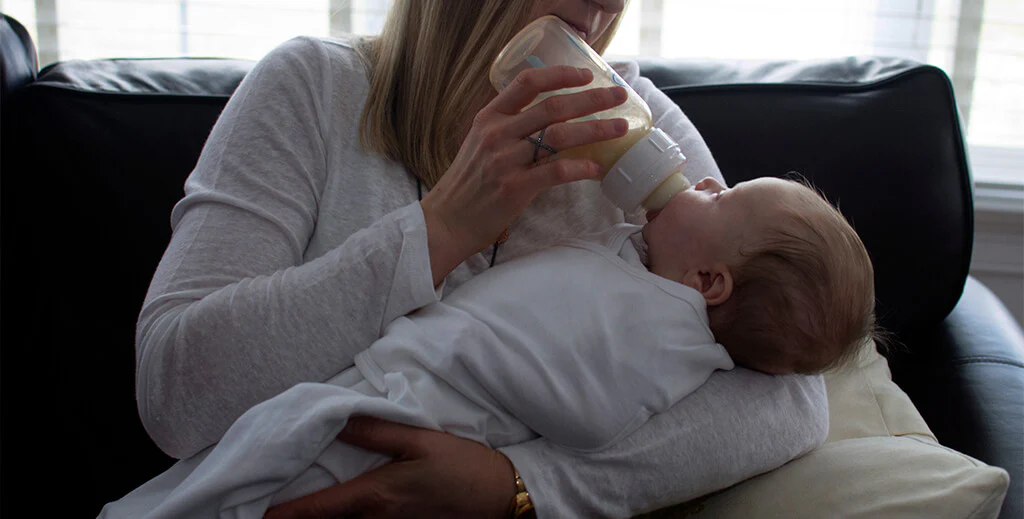
A dream feed is a late-evening feeding given while your baby is still mostly asleep. The goal is to help your baby stay full longer and possibly sleep for a longer stretch during the night.
If you’re new to the concept, you may want to read our guide explaining
what is a dream feed.
You can also learn the step-by-step method in our article on
how to dream feed a baby.
What Is a Dream Feed Schedule?
A dream feed schedule simply means adding a late-night feeding into your baby’s evening routine. Instead of waiting for your baby to wake up hungry, parents offer a feeding before going to bed.
For many families, this feeding happens between 10 PM and midnight. The goal is to help babies sleep longer before waking up for their next feeding.

Example Dream Feed Schedule for Newborns
Every baby has slightly different feeding and sleep needs, but many families follow a routine similar to the one below.
| Time | Activity |
|---|---|
| 7:00 PM | Evening feeding |
| 7:30 PM | Baby goes to sleep |
| 10:30 PM | Dream feed |
| 2:00–3:00 AM | Possible night feeding |
| 6:00–7:00 AM | Morning wake and feeding |
This simple baby dream feeding schedule helps many babies stay asleep longer during the first part of the night.
When to Start Dream Feeding a Newborn
Many parents begin trying a dream feed when their baby is around 6 to 8 weeks old. At this stage, some babies are capable of slightly longer sleep stretches but still need nighttime calories.
Dream feeding may help shift one of the nighttime feedings earlier so parents can sleep longer before the next wake-up.
Does a Dream Feed Help Newborns Sleep Longer?
For some babies, yes. A dream feed can help extend the longest stretch of nighttime sleep because the baby’s stomach stays full longer.
Instead of waking from hunger shortly after the parents fall asleep, the baby may sleep several hours after the dream feed.
However, not every baby responds the same way. Some babies may still wake at their usual times regardless of the feeding schedule.
Tips for a Successful Dream Feed Routine
If you want to try a dream feed schedule, keeping the routine calm and consistent is important.
- keep the lights dim
- avoid stimulating your baby too much
- pick your baby up gently
- feed while your baby is still sleepy
- place your baby back in the crib once finished
Over time, many babies become used to the routine and remain sleepy throughout the feeding.
When to Stop Using a Dream Feed Schedule
As babies grow older, they gradually need fewer nighttime calories.
Most babies are ready to drop the dream feed between 4 and 6 months. If you’re unsure when to stop, our guide on
when to stop dream feeding explains the signs that your baby may be ready.
Common Questions About Dream Feeding Newborns
Can you wake a newborn for a dream feed?
Most dream feeds are done while the baby remains sleepy. Some babies may wake slightly, but the goal is to keep them calm so they fall back asleep easily.
Does dream feeding replace night feedings?
Not always. Newborns usually still wake at least once during the night for feeding, even with a dream feed.
Is dream feeding recommended for all babies?
Dream feeding works well for some families but not for all babies. It’s simply one technique parents can try while establishing a sleep routine.
Final Thoughts
Creating a dream feed schedule for newborns can be a helpful way for parents to manage nighttime sleep and feeding routines.
While every baby is different, many families find that adding a late-night dream feed helps their baby sleep longer before waking again.
The key is to watch your baby’s cues and adjust the schedule in a way that works best for your family’s sleep routine.